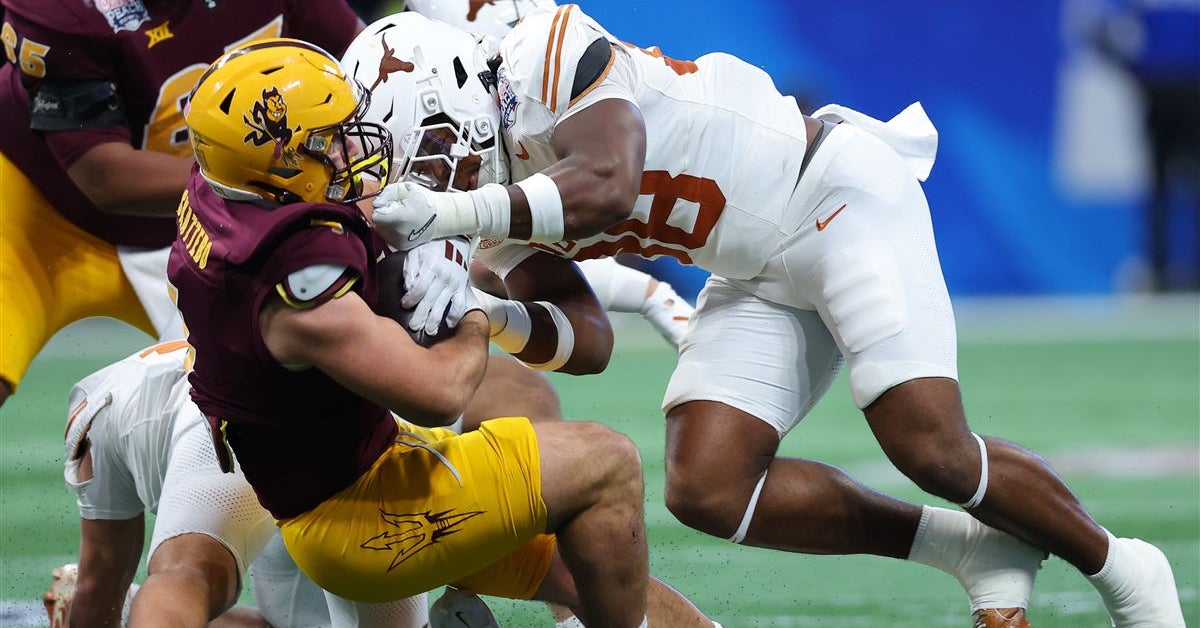
In a recent development, the highly anticipated home-and-home football series between the University of Texas and Arizona State University for the years 2032 and 2033 has been officially canceled. The cancellation comes as a surprise to many fans and analysts who were looking forward to these matchups, which were expected to be significant events in college football schedules for those years.
The series was initially scheduled to feature Texas hosting Arizona State in 2032, followed by a return game in Tempe in 2033. Such arrangements are common in college football, allowing teams to showcase their programs across different regions and build rivalries. However, sources close to the negotiations have confirmed that the series will no longer take place, citing logistical issues and scheduling conflicts as primary reasons for the cancellation.
While the specific details behind the cancellation have not been fully disclosed, it is believed that the evolving landscape of college football, including conference realignments and scheduling demands, played a role in this decision. Both programs are reportedly exploring alternative opponents for those years to fill the void left by the canceled series.
Fans and stakeholders are disappointed by the news, especially given the potential for exciting matchups and increased exposure for both programs. The cancellation also raises questions about future scheduling agreements and the impact of broader changes within college football's organizational structure.
As of now, neither university has announced any plans to reschedule the series, and it remains uncertain whether the games will be played at a later date. The college football community will be watching closely to see how both programs adjust their schedules moving forward and what new matchups might emerge in the coming years.
In conclusion, the cancellation of the Texas-Arizona State football series for 2032 and 2033 marks a notable shift in college football scheduling. Fans will have to wait and see what new opportunities arise for these programs and how this development influences future conference and non-conference games.